






There’s something special about New York in November. The leaves are turning in Central Park, the air has a bite to it, and the city is beginning its annual transformation into one of the world’s great holiday destinations.
Shop windows are being dressed, lights are going up along Fifth Avenue, and crews are preparing traditions that have brought New Yorkers and visitors together for generations. Behind the parades, decorations, and famous tree are stories that reveal a fascinating side of the city’s history.
Let’s take a walk through some of them.
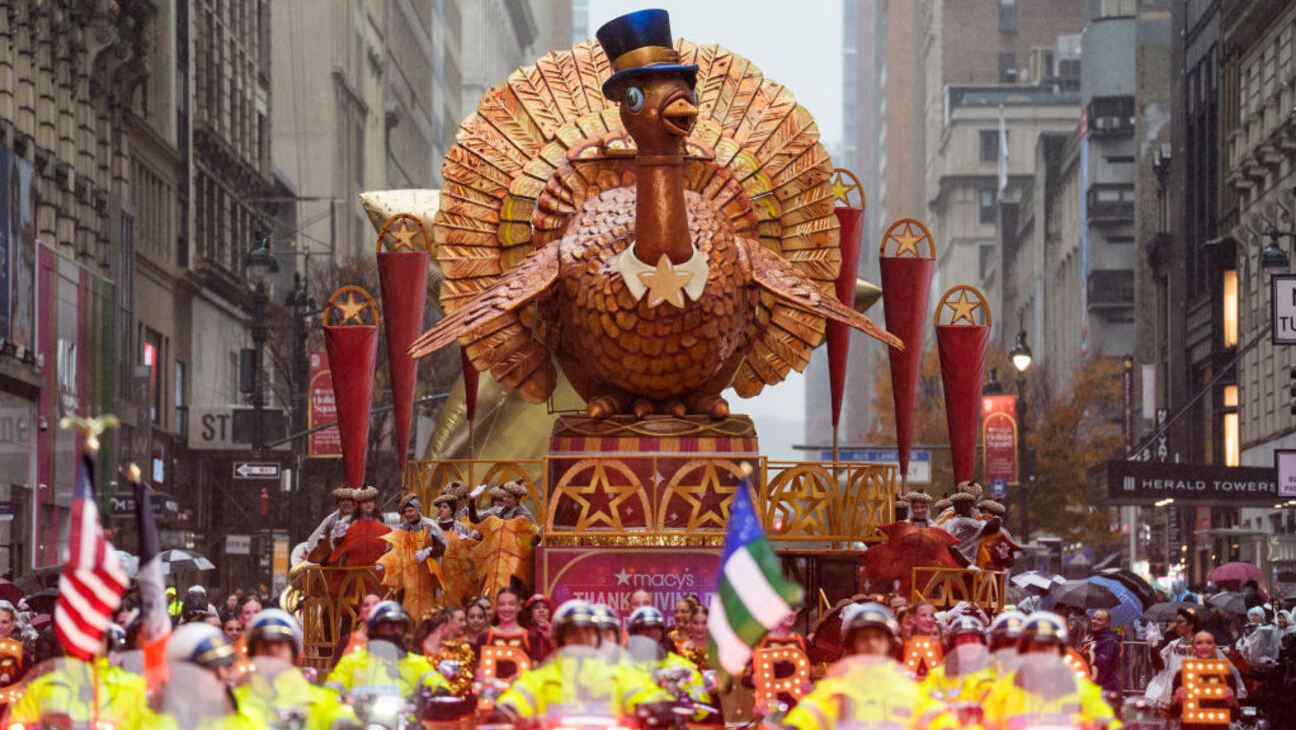
The Macy’s Thanksgiving Day Parade: A Century-Old New York Tradition
For millions of Americans, Thanksgiving morning isn’t complete without the Macy’s parade. But this beloved tradition is more than 100 years old.
The first parade stepped off in 1924, organized by Macy’s employees, many of them first-generation immigrants who wanted to celebrate the holiday with the festive traditions of their home countries. It looked quite different from today’s parade, with employees in colorful costumes, marching bands, elaborate floats, and live animals borrowed from the Central Park Zoo. The route ended at Macy’s flagship store in Herald Square, where Santa Claus arrived to welcome the Christmas shopping season.
The giant character balloons, now the parade’s signature attraction, debuted in 1927, with Felix the Cat among the first. The parade has since weathered economic downturns, changing tastes, and even a pause during World War II, when rubber and helium were needed for the war effort.
Today it remains one of the city’s most recognizable traditions, drawing huge crowds along the route and millions more at home.
Thanksgiving in Old New York
Long before giant balloons floated over Manhattan, New Yorkers celebrated Thanksgiving in ways that may seem both familiar and surprising.
Thanksgiving observances existed in New York well before Abraham Lincoln proclaimed a national holiday in 1863. Through the 19th century, families gathered for special meals, churches held services, and charities provided food to those in need.
But New York also had a more unusual custom. In the late 1800s and early 1900s, children, especially working-class kids in Manhattan, dressed in costumes and masks and went door to door asking for treats or small change. This was known as Thanksgiving masking, and the cry was, “Anything for Thanksgiving?”
Sound familiar? It closely resembled modern Halloween trick-or-treating. By the mid-20th century, masking had largely faded, replaced by the family gatherings and football games we know today.
It’s one of those nearly forgotten traditions that shows how much the city has changed, and how much of its history is hiding in plain sight.
Central Park and Fifth Avenue: The Seasonal Transformation
One of the best ways to experience New York in November is simply to walk.
Central Park offers some of the city’s loveliest autumn scenery, with winding paths, historic bridges, and tree-lined vistas that feel a world away from the busy streets. Designed by Frederick Law Olmsted and Calvert Vaux in the 19th century, the park was meant to give New Yorkers from all walks of life a shared place for recreation and rest. More than 160 years later, it still does.
Just a few blocks south, Fifth Avenue begins its holiday transformation. New York’s department stores have long been famous for elaborate window displays. Macy’s, just south in Herald Square, traces its holiday windows back to the 1870s, and other retailers helped turn window shopping into a seasonal pastime. What began as a way to attract shoppers became a tradition in its own right.
Walking Fifth Avenue in late November, you’ll find historic architecture, celebrated storefronts, and the building excitement of the season. And the best part? You don’t have to buy a thing.
Rockefeller Center: From Depression-Era Construction Site to Holiday Icon
Few places say “Christmas in New York” like Rockefeller Center. But the story of its tree begins in one of the hardest periods in American history.
In December 1931, workers building Rockefeller Center pooled their money to buy a modest Christmas tree and decorated it with handmade ornaments, including strings of cranberries and paper garlands. The country was deep in the Great Depression, and the tree was a small but meaningful celebration for those fortunate enough to have work.
Two years later, in 1933, Rockefeller Center held its first official tree lighting. What started as a simple gesture of holiday spirit grew into one of the world’s best-known Christmas traditions. Today, a towering Norway spruce draped in thousands of lights draws visitors from around the globe.
The buildings around it tell their own story of New York’s ambition and early 20th-century Art Deco architecture. It’s a perfect example of how the city’s holiday traditions and architectural history come together.
Five Ways to Experience Thanksgiving Week in New York
Planning a visit around Thanksgiving? Here are five ways to enjoy the season while discovering some of the city’s history.
1. Watch the parade, or see the balloons the night before.
The parade is unforgettable but draws enormous crowds. Consider visiting the balloon inflation area near the American Museum of Natural History on Thanksgiving Eve, when the giant characters are readied for their big day. Check the official schedule and viewing details before you go.
2. Take an autumn walk through Central Park.
Explore Bethesda Terrace, Bow Bridge, and the Mall, three landmarks that offer beautiful scenery and a glimpse into the history of one of America’s most important urban parks.
3. Stroll Fifth Avenue’s architecture and holiday windows.
Walk south from Central Park toward Rockefeller Center and St. Patrick’s Cathedral. Along the way you’ll pass grand storefronts and some of Manhattan’s most recognizable landmarks.
4. Visit Rockefeller Center.
Even before the tree is lit, the Center is worth exploring for its Art Deco architecture, public art, and history. If you’re visiting in late November, check the tree-lighting schedule before making plans.
5. Venture beyond the usual attractions.
Some of New York’s best stories are found away from the landmarks. Greenwich Village, the Lower East Side, and Chinatown offer glimpses into the immigrant communities, businesses, and traditions that shaped the city.
And of course, there’s always time to stop for a good New York bagel.
Experience the New York Behind the Traditions
New York’s holiday celebrations are spectacular, but the stories behind them are what make them special. The Macy’s parade reflects the city’s immigrant heritage. Central Park embodies a vision of public space for everyone. And the Rockefeller Center tree began as a modest celebration among construction workers during the Depression.
These aren’t just holiday attractions. They’re pieces of New York’s living history.
As a lifelong New Yorker, one of my favorite things is sharing the stories visitors might otherwise walk right past. Whether you’re here for Thanksgiving, planning a holiday trip, or just want to see a different side of the city, there’s always something new to discover.
Join me at Ben’s Bagel Tours and experience New York through its history, neighborhoods, and unforgettable stories.
Happy Thanksgiving, and I’ll see you around New York!
— Ben